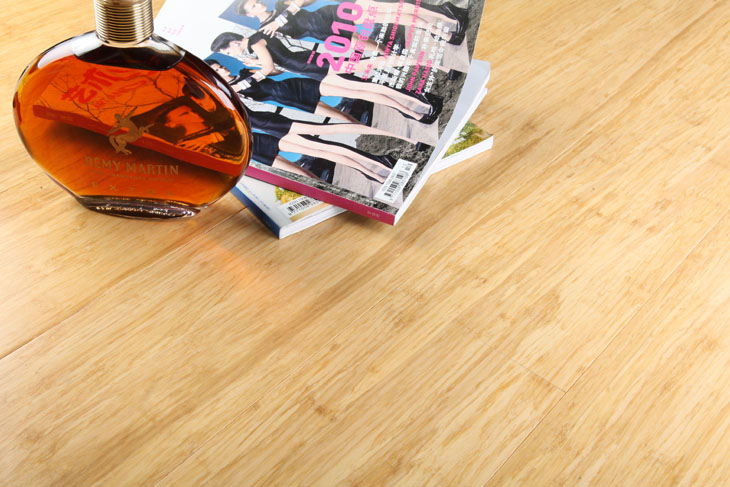
For years, traditional hardwood flooring has held a reputation for beauty, strength, and long‑term value. Yet as building practices evolve and consumers look for materials that balance durability, style, and sustainability, solid strand woven bamboo has steadily moved from a niche option to a leading choice. Many homeowners, contractors, and dealers now recognize that strand woven bamboo offers performance features that are difficult for conventional hardwoods to match. Its manufacturing process, structural characteristics, and installation advantages give it a distinct edge in both residential and commercial spaces.
Solid strand woven bamboo flooring is produced by compressing bamboo fibers under high heat and pressure, creating a dense and exceptionally tough material. While hardwood species like oak and maple have long been considered benchmarks of durability, strand woven bamboo routinely exceeds them in standardized tests. This strength, combined with its stability and ease of installation, makes it a practical and reliable flooring material for a wide range of environments.
Exceptional Hardness and Strength
One of the most significant advantages of strand woven bamboo is its hardness. On the Janka hardness scale, which measures indentation resistance, strand woven bamboo regularly scores between 3,000 and 5,000. Oak, one of the most commonly used hardwoods, averages around 1,200, and even harder species like hickory typically fall between 1,800 and 2,000.
The reason for this significant difference lies in the manufacturing process. Bamboo fibers are shredded and then tightly compressed with resin binders to form solid planks. This eliminates the natural weak points found in traditional wood grain. As a result, strand woven bamboo is far more resistant to dents, heavy foot traffic, and everyday wear.
For households with pets, active children, or heavy furniture, this extra durability can mean fewer visible scratches and a longer lifespan for the floor. Many commercial projects—such as retail stores and offices—have begun using strand woven bamboo specifically because it withstands constant movement and pressure better than many hardwood species.
Superior Dimensional Stability
Hardwood flooring can be sensitive to climate changes. Fluctuations in humidity and temperature often cause expansion, contraction, or cupping. While engineered hardwood has improved stability compared to solid hardwood, it still relies on multiple layers of wood veneers and adhesives.
Solid strand woven bamboo, by contrast, is naturally more dimensionally stable. Its cross‑woven fiber structure helps the planks resist movement in different directions. This stability is especially useful in regions with seasonal humidity changes or rooms where moisture levels may vary, such as kitchens or entryways.
Additionally, many manufacturers apply wax sealing on the click‑lock joints. This added measure helps reduce moisture absorption at the most vulnerable points, allowing the floor to remain flatter and tighter over time. Traditional hardwoods rarely include this type of built‑in moisture protection.
Fast and User‑Friendly Installation
Another area where strand woven bamboo excels is installation speed. While hardwood typically requires nail‑down or glue‑down methods, solid strand woven bamboo is widely available in click‑lock formats using systems such as Unilin or Valinge. These interlocking profiles allow the planks to snap together securely without adhesives or specialized tools.
Click‑lock installation offers several important benefits:
Faster project completion
Reduced labor costs
Cleaner installation with no glue odors
Easier repairs or plank replacements
Ideal for floating installations over underlayment
For do‑it‑yourself homeowners, the simplicity of click‑lock flooring makes bamboo an accessible option that avoids the challenges of traditional hardwood installation. Contractors appreciate the reduced installation time, which allows them to take on more projects with less effort.
A Wide Range of Colors and Styles
While hardwood has always been prized for its natural beauty, strand woven bamboo now offers a comparable range of colors and finishes. Some options mimic the look of classic hardwood species, while others highlight bamboo’s own natural character.
Common color choices include:
Natural: a light, clean, and contemporary tone
Carbonized: a warm, medium brown achieved through heat treatment
Caramel: a slightly richer golden‑brown with strong visual appeal
Each color maintains the dense fiber texture that gives strand woven bamboo its signature look. Some manufacturers also offer hand‑scraped or wire‑brushed finishes, creating additional depth and texture similar to premium hardwood.
Because bamboo can be stained or treated in multiple ways, it supports many interior design styles—from minimalist and Scandinavian to traditional and rustic.
Better Sustainability Profile
Although both bamboo and hardwood are natural materials, bamboo is widely recognized as a more renewable resource. A hardwood tree may take several decades to reach maturity, while bamboo matures in about five years and continues growing from the same root system after harvest.
This rapid regeneration makes bamboo a more environmentally responsible option for consumers who want a natural floor without contributing to long‑term forest depletion. Many buyers, especially eco‑conscious homeowners and businesses, consider this an important factor when selecting flooring materials.
Cost‑Saving Potential
Price ranges vary based on brand, quality, thickness, and finish, but solid strand woven bamboo is generally more affordable than premium hardwood options. The savings extend beyond the initial purchase:
Click‑lock installation reduces labor expenses
Higher durability means fewer replacements
Minimal maintenance helps control long‑term costs
Because it resists wear better than many hardwoods, strand woven bamboo often maintains its appearance longer, reducing the need for refinishing. This cost‑effective performance makes it appealing to both individual homeowners and large‑scale importers, builders, and dealers.
Moisture Resistance with Wax‑Sealed Click Locks
Moisture remains one of the biggest concerns for any flooring product. While neither bamboo nor hardwood should be used in highly wet environments, strand woven bamboo with wax‑sealed click locks provides an extra layer of defense. The factory‑applied wax coats the locking edges and helps repel moisture that might seep into the seams.
This feature benefits both floating and glue‑down installations. For consumers living in humid climates or homes with occasional spills, waxed joints add peace of mind and help keep the planks tight and stable.
Overall Longevity and Wear Performance
The combined attributes of strand woven bamboo—high density, stable construction, and protective finishing—contribute to impressive long‑term performance. When properly installed and maintained, these floors can last decades. They retain their color, resist compression under heavy loads, and tolerate daily foot traffic better than many hardwood options.
Additionally, most strand woven bamboo floors feature durable factory‑applied coatings, often aluminum oxide finishes. These coatings help protect against wear, stains, and surface scratches. Hardwood floors can be refinished multiple times, but refinishing is costly and disruptive; strand woven bamboo provides extended wear without frequent refinishing cycles.
Increasing Popularity Among Importers and Dealers
Because strand woven bamboo offers strong value, many importers and distributors have expanded their selections in recent years. Dealers appreciate products that combine durability, attractiveness, and ease of installation—qualities that simplify sales conversations with both contractors and homeowners.
Click‑lock versions, in particular, reduce returns and installation errors, making them attractive for retailers. Products featuring reputable locking systems like Unilin or Valinge also signal quality and consistency to buyers.
A Balanced Choice for Modern Spaces
Solid strand woven bamboo flooring brings together the warmth of a natural material with performance characteristics that surpass many traditional hardwoods. Its hardness, stability, color diversity, and straightforward installation create a practical and stylish flooring option for modern living spaces. Whether used in homes, offices, or commercial interiors, it delivers reliability and long‑term value without sacrificing visual appeal.